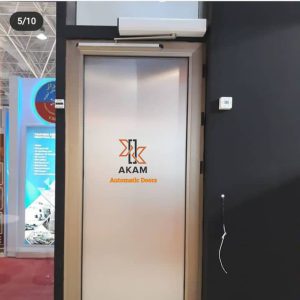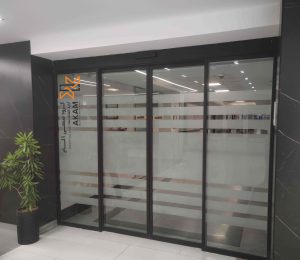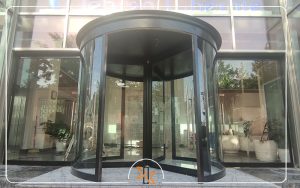
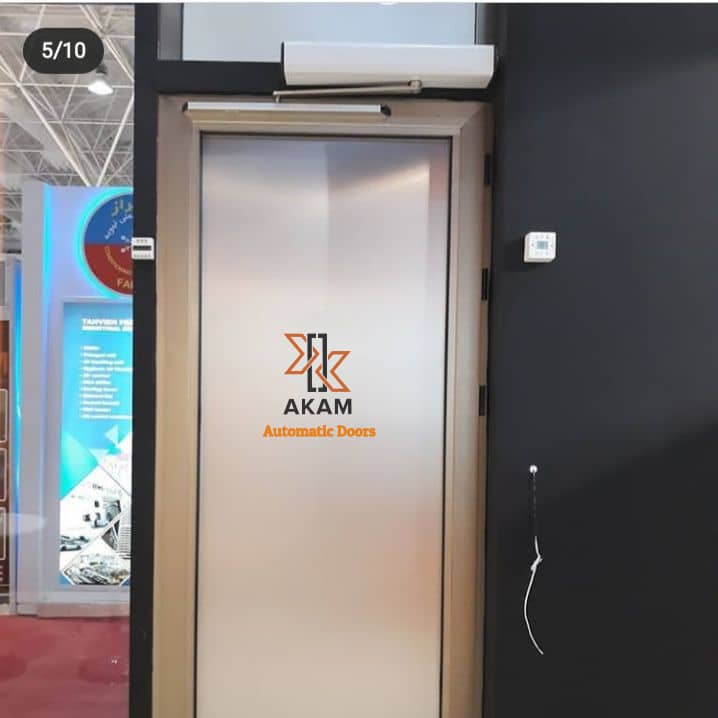
A swinging glass automatic door is a type of door that opens and closes automatically. These doors are commonly used at the entrances of buildings, public and commercial spaces, parking lots, and other environments. They are operated through mechanical, electrical, and electronic systems. Swinging automatic doors come in various types, including bolt-type doors, sliding doors, parking doors, motorized doors, and glutinous (adhesive-sealing) doors. Each type has its own features and applications.
Pros and Cons of Swinging Automatic Doors
Swinging glass automatic doors offer numerous benefits in terms of safety, convenience, speed, and efficiency for both people and vehicles. However, like any system, they also come with some disadvantages. Below are some of the most notable advantages and disadvantages:
Advantages of Smart Swinging Doors
1. Security:
Security is one of the key aspects of swinging automatic doors. With access control and security systems, these doors can prevent unauthorized entry. Features like smart cards or password systems can ensure only authorized individuals gain access. Data transmission over communication networks is also possible.
2. Ease of Use:
Convenience is a primary benefit of these doors. Thanks to automated and programmable systems, the process of entry and exit is simplified. Additional features such as motion detectors, indicator lights, warning sounds, and anti-collision systems enhance user-friendliness.
3. Efficiency:
Efficiency is another important feature. These doors operate effectively with advanced automated systems. Many models can also integrate with fire alarm systems, surveillance cameras, and other security systems, allowing centralized control and enhanced overall safety and performance.
4. Attractive Finishes:
Swinging automatic doors can be customized with a variety of stylish and attractive finishes, enhancing their aesthetic appeal. Some popular finish options include:
-
Wooden finish
-
Metallic finish
-
Glass finish
-
Natural finish
-
Modern finish
The choice of materials and combinations should match your personal style and the surrounding environment. It’s also essential to consider technical and functional aspects to maintain safety and performance.
Disadvantages of Smart Swinging Doors
1. High Costs:
Installing and finishing swinging automatic doors can be costly. Costs vary depending on material, size, design, and other door components. While some materials are more expensive, careful planning and consulting with suppliers can help you find cost-effective options. Also consider the cost of advanced features like motors, controllers, sensors, and security systems.
2. Technical Issues:
Technical problems may arise during installation or operation. Common issues include:
-
Malfunctioning doors
-
Safety concerns
-
Excessive noise
-
Shortened lifespan
-
Installation challenges
-
Electrical problems
3. Performance Limitations:
Despite good performance under correct installation, some limitations can exist:
-
Weight capacity
-
Environmental conditions
-
Excessive force
Note: Many of these limitations can be prevented by following the manufacturer’s instructions, ensuring proper installation, and conducting regular maintenance. If any performance issues arise, it’s best to consult a professional technician.
4. Risk of Injury:
Incorrect use or poor safety measures can cause injury. To prevent accidents, it’s important to:
-
Avoid standing in the door’s path
-
Use obstacle detection sensors
-
Regularly inspect door performance
-
Replace damaged parts promptly
-
Periodically test safety systems
Final Words
It’s important to note that the advantages of swinging automatic doors outweigh the disadvantages, especially when installed by a qualified professional. By following the manufacturer’s guidelines, you can fully benefit from these doors. We hope this post has answered your initial questions and been helpful to you. If needed, Akam’s knowledgeable and experienced consultants are always ready to assist you. Thank you for your support!